Functionality, Articulation, and Interaction Workshop

On modeling and generating 3D objects that constitute interactive environments.
workshop banner image · 5:2
place: teaser figure (articulated objects / motion)

01Workshop overview

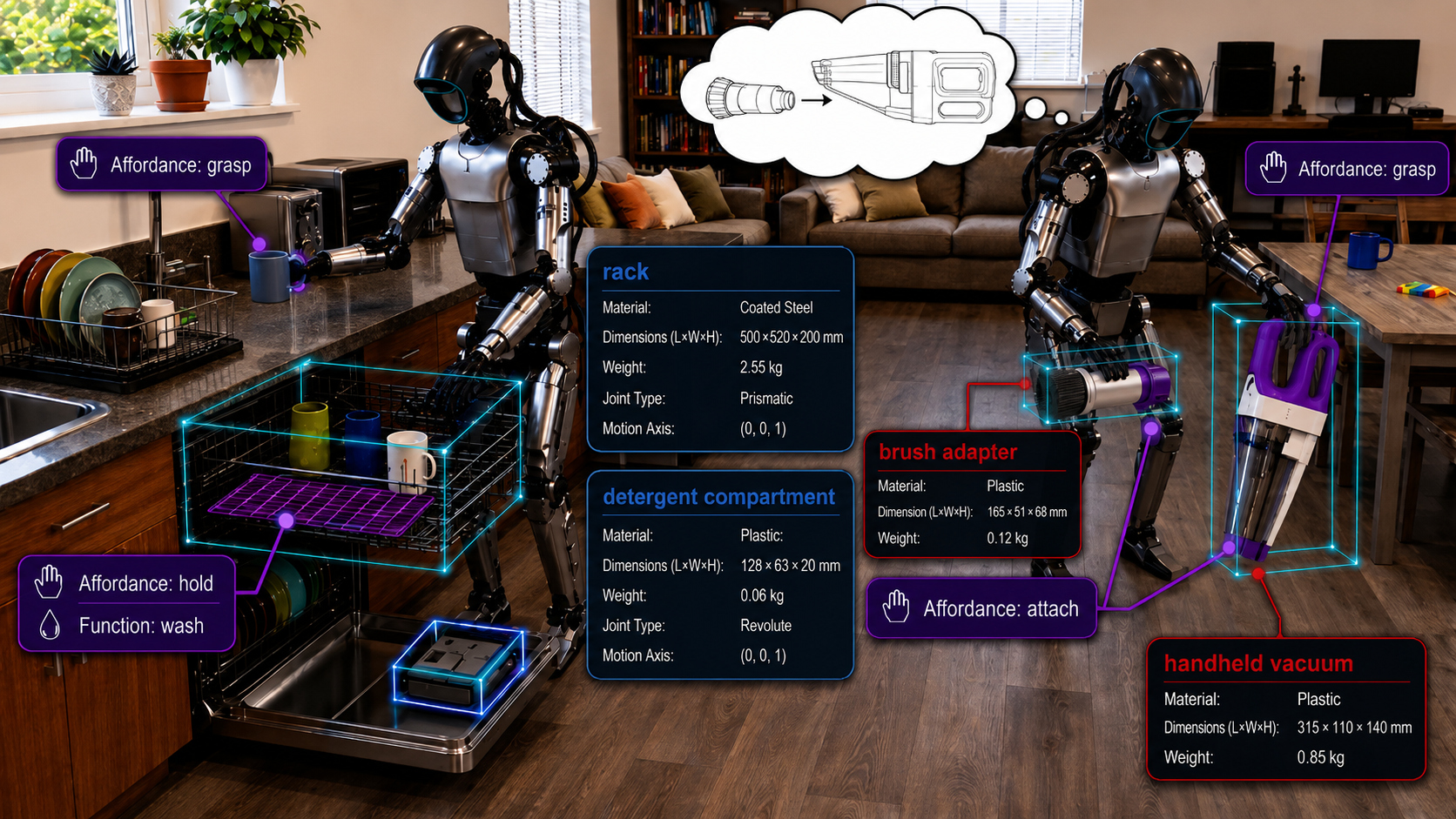
Recent advances in 3D generative AI have achieved impressive geometric and textural fidelity. Yet three critical dimensions remain overlooked: functionality, articulation, and interaction. Generated 3D content must not only look realistic — it must move correctly, respond to physical forces, and afford meaningful engagement with agents and environments.

The FAI workshop brings together researchers across computer vision, graphics, robotics, and machine learning to unify work on functional understanding, articulated reconstruction, part decomposition, and physical grounding. We position functionality as a first-class concept across the full pipeline — perceived from visual observations, represented through explicit structure, and realized through physically grounded generation.

02Topics of interest

Visual understanding — Learning functional relations from visual data; function-aware generation.
Spatial modelling — Parts, relations, motion parameters, affordances; structure that enables motion.
Physical grounding — Physics in generative models; physical constraints and realistic dynamics.
Foundation models — Aligning visual, spatial, physical understanding with LLM/VLM knowledge.

03Call for papers

Submission deadline
July 24, 2026
Author notification
August 7, 2026
Camera-ready
August 15, 2026

We welcome submissions on modeling and generation of functional and interactable 3D assets, in two tracks: short papers (4 pages) and full papers (8 pages), in ECCV format (excluding references). All accepted submissions will be presented as posters. Papers will not be included in the official proceedings.

Submission portal OpenReview link · TBA

04Invited speakers

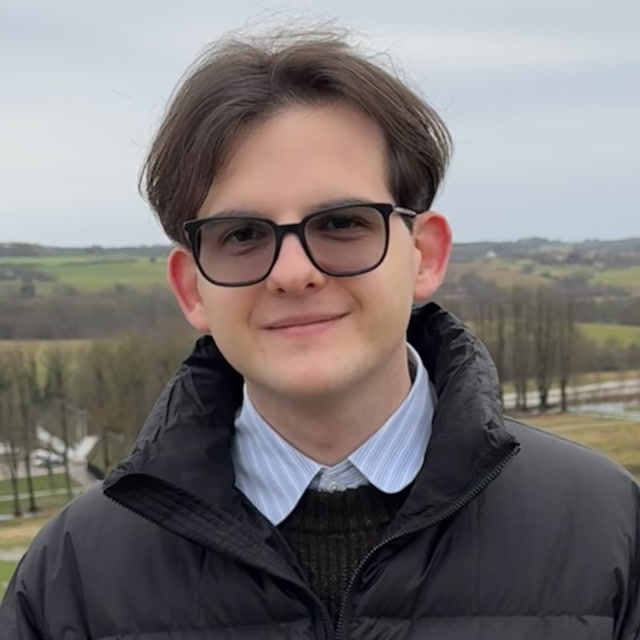
Andrea Vedaldi
Andrea Vedaldi
University of Oxford · Meta
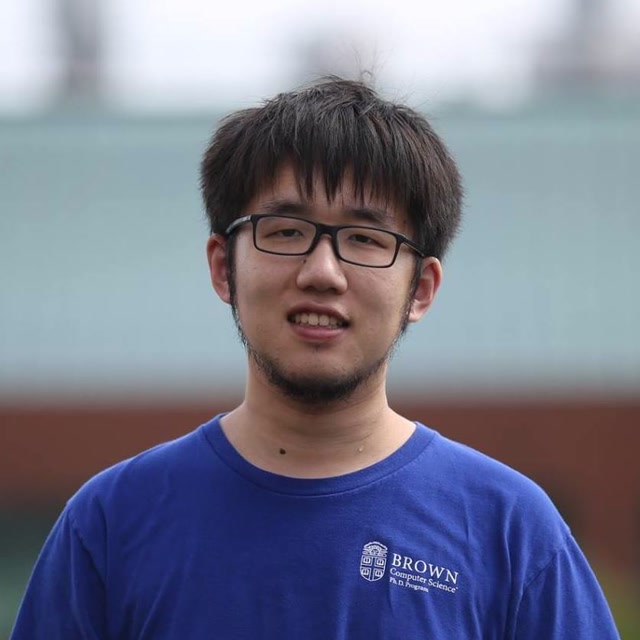
Wei-Chiu Ma
Wei-Chiu Ma
Cornell University
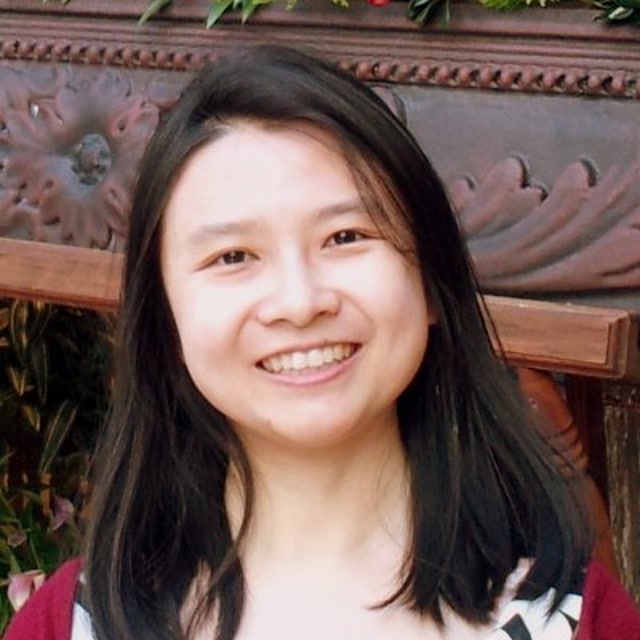
Evangelos Kalogerakis
Technical University of Crete
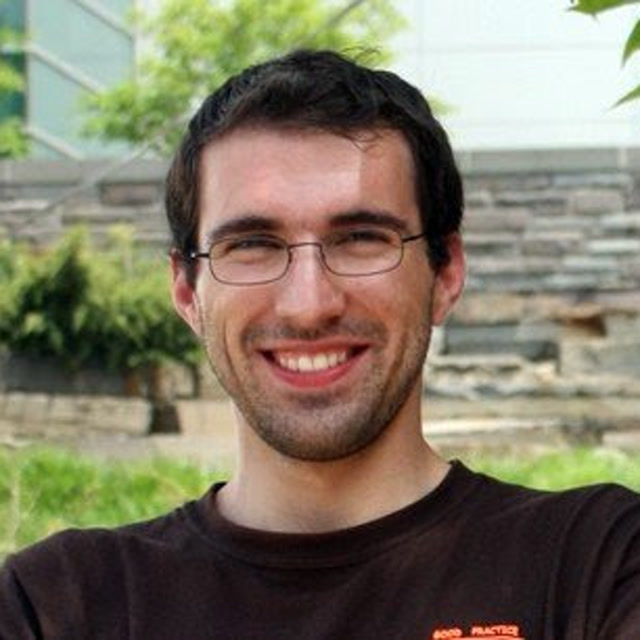
Angela Dai
Angela Dai
Technical University of Munich
Ziwei Liu
Ziwei Liu
Nanyang Technological University
Mikaela Angelina Uy
Mikaela Angelina Uy
NVIDIA Research

05Schedule

08:45 — 09:00Welcome & introductionopening
09:00 — 09:25Invited talk 120 + 5
09:25 — 09:50Invited talk 220 + 5
09:50 — 10:15Invited talk 320 + 5
10:15 — 10:45Poster sessionbreak
10:50 — 11:15Invited talk 420 + 5
11:15 — 11:40Invited talk 520 + 5
11:40 — 12:05Invited talk 620 + 5
12:05 — 12:35Closing panelall speakers

06Organizers

Main organizers

Jiayi Liu
Jiayi Liu
Simon Fraser University
Mingrui Zhao
Mingrui Zhao
Simon Fraser University
Denys Iliash
Denys Iliash
Simon Fraser University
Kai Wang
Kai Wang
Simon Fraser University
Hanxiao Jiang
Hanxiao Jiang
Columbia University

Advisors

Angel X. Chang
Angel X. Chang
Simon Fraser University
Ruizhen Hu
Ruizhen Hu
Shenzhen University
Ali Mahdavi-Amiri
Ali Mahdavi-Amiri
Simon Fraser University
Manolis Savva
Manolis Savva
Simon Fraser University
Shenlong Wang
Shenlong Wang
UIUC
Hao (Richard) Zhang
Hao (Richard) Zhang
Simon Fraser University